Mobile video
Create on the go with the higgsfield ai android app
The higgsfield ai android app experience is built around a smaller, more direct mobile workflow: describe an idea, refine the visual direction, and move toward a finished clip without opening a desktop editor.
Related paths
Choose the right Higgsfield AI entry point
The Android route is useful when your ideas start on your phone. These nearby pages explain the broader online and iOS experiences.
Core actions
The three things the Android route does
Think of the mobile experience as a focused starting point rather than a complete replacement for every desktop workflow.
-
1
Turn a thought into a prompt
Describe the subject, setting, movement, mood, and camera direction in ordinary language. Specific visual instructions give the generation a clearer starting point.
-
2
Review and refine the result
Use the phone interface to inspect an output, identify what feels wrong, and adjust the prompt or creative direction for another pass.
-
3
Move the idea toward sharing
When the result is close, continue with the available export or sharing flow. Keep the first version short and focused so revisions stay manageable.
Workflow view
How to start from an Android phone
A strong first attempt usually comes from a compact brief, not a long paragraph packed with unrelated instructions.
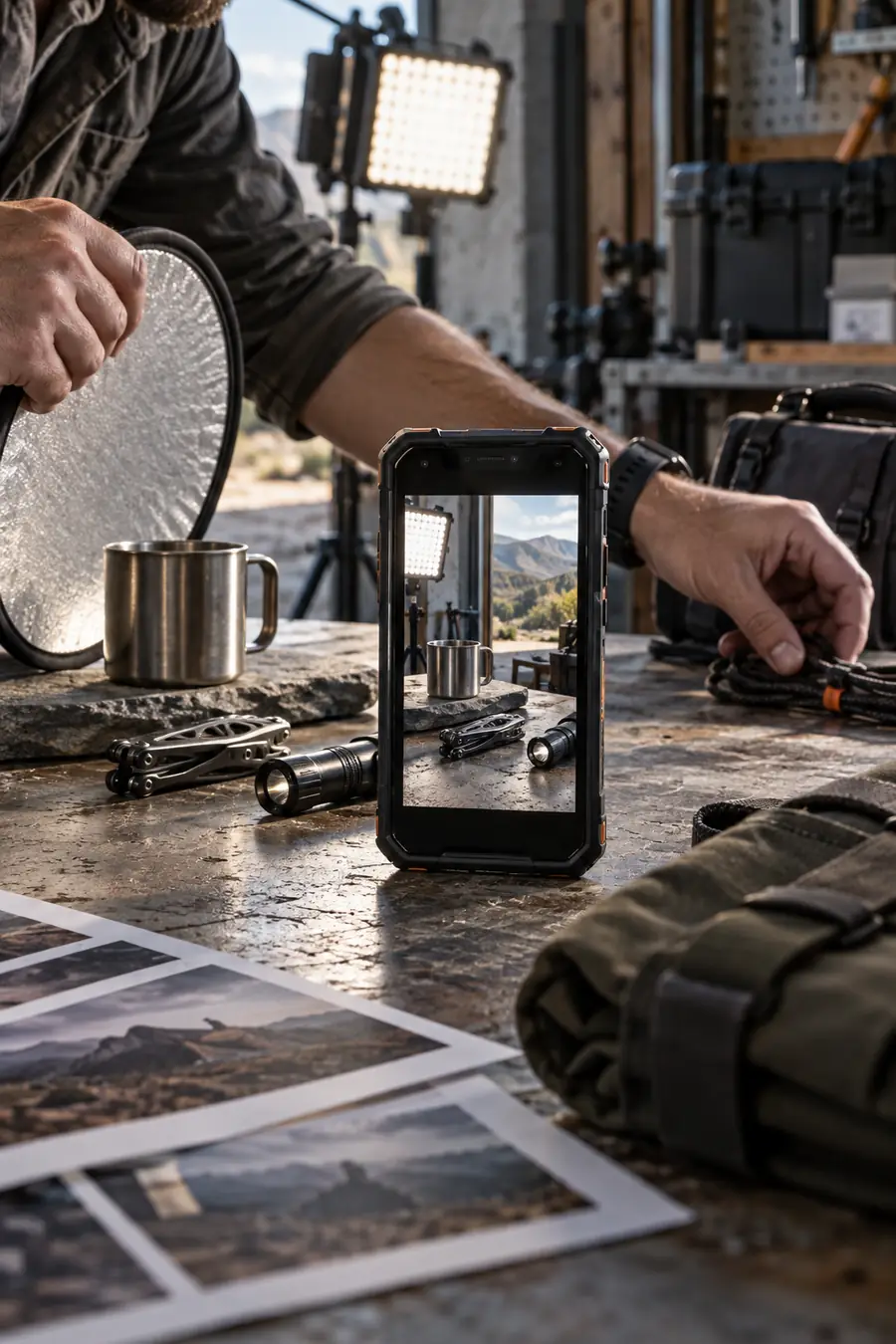 Starting brief
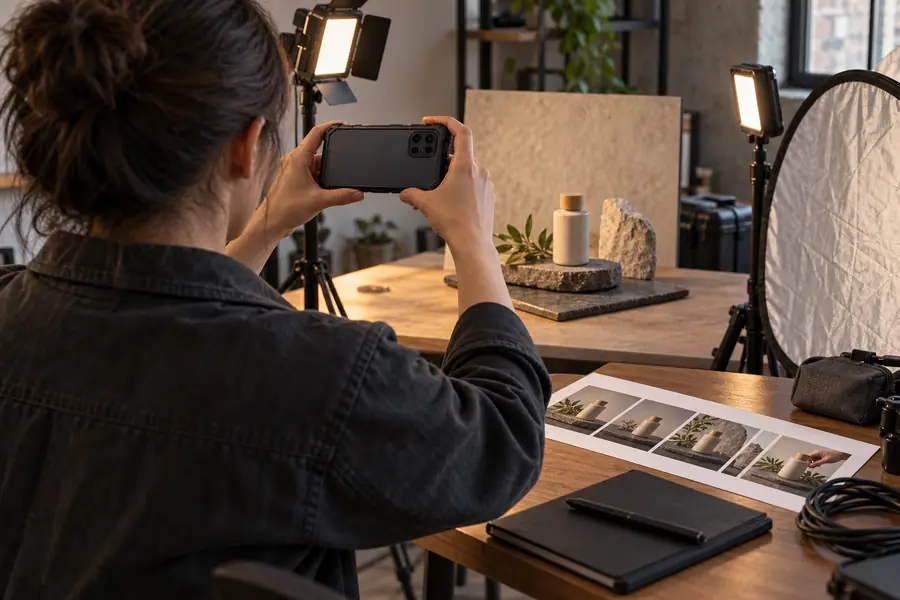 Directed result
Surface comparison
This entry point vs the general one
Both routes can support AI video work, but they suit different moments in the creative process.
- Android route
- General online route
Best starting point
Android route
Quick ideas and revisions from a phone
General online route
Broader sessions in a desktop browser
Input style
Android route
Short prompts written while mobile
General online route
Longer prompts with more room to review
Screen space
Android route
Compact preview and focused controls
General online route
Larger canvas for comparing outputs
Creative rhythm
Android route
Capture, test, and refine in short bursts
General online route
Plan, inspect, and iterate in longer sessions
Ideal context
Android route
Commutes, locations, and spontaneous concepts
General online route
Desk-based production and organized review
When to switch
Android route
Move elsewhere when detailed control feels cramped
General online route
Use the broader workspace when mobile review slows you down
Learning curve
Android route
A smaller set of actions to understand first
General online route
More room for additional tools and settings
Practical limits
Limits to keep in view
The Android experience is most useful when you treat it as a fast creative doorway. These numbers describe the recommended working rhythm, not guaranteed platform quotas.
- Prompt, review, and refine
- 3 steps
- Keep the first brief focused
- 1 idea
- Reserve room for a deliberate revision
- 2 passes
- Needed to begin a mobile-first concept
- 0 desktop edits
Android FAQ
Higgsfield AI Android app FAQ
Answers to the practical questions people ask before trying the Android route.
The Android experience is best understood as a mobile entry point for Higgsfield AI video creation. Availability and the exact interface can change, so check the current access flow from your Android device rather than relying on an old download link.
You can begin the creative process from an Android phone by writing a prompt, reviewing the result, and refining the direction. A larger browser workspace may still be more comfortable for detailed comparison or extended editing.
The mobile workflow is suited to describing a scene, testing a visual idea, and making focused revisions. It is less suited to managing a large collection of variants or making fine adjustments that need a wide screen.
Not necessarily. Mobile surfaces usually emphasize the most important creation actions, while the general online workspace may expose more room, controls, and review options; compare both before planning a long production session.
Name the subject, setting, action, mood, and camera movement in one clear sentence. Start with a manageable shot, then add lighting, styling, or transition details after you see the first result.