Creator workflow

See Higgsfield AI Examples YouTube Workflows in Action

This guide to higgsfield ai examples youtube shows how creators can move from a rough idea to a clear visual test, then adapt the result for a channel format. Use the prompt console to begin with a focused scene brief instead of an unfocused request.

Prompt handoff to Higgsfield AI

the audience's existing pipeline

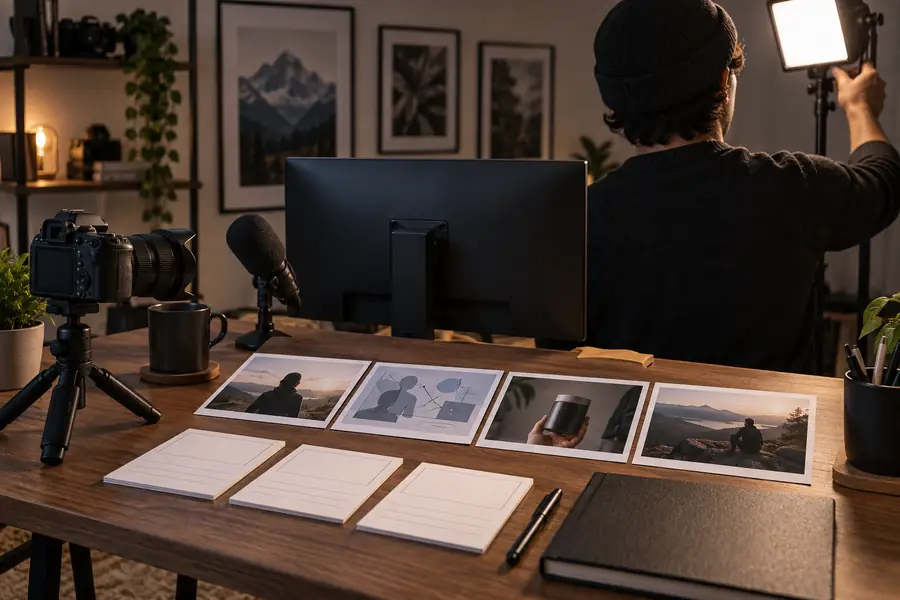
A useful YouTube example starts with the work creators already understand: a hook, a shot list, a thumbnail idea, a rough script, and an edit plan. Higgsfield AI fits best when it supports those decisions rather than replacing the channel’s voice.

where we slot in

The strongest results come from treating the tool as a visual development layer inside an existing channel process, with a person still responsible for editorial judgment.

It cannot replace your channel concept

A generated clip may look polished while saying nothing specific to your audience. The tool does not know your recurring format, audience promise, or publishing standards.

Workaround

Write the hook and intended viewer takeaway before generating any visuals.
It cannot guarantee continuity

Characters, wardrobe, locations, and camera details can drift between generations, especially when a sequence contains several distinct shots.

Workaround

Keep prompts short, repeat key visual anchors, and generate each shot with a clear role in the edit.

It cannot finish the full YouTube package

A visual generation workflow does not automatically create a reliable title, thumbnail strategy, description, captions, or final edit.

Workaround

Reserve time for editing, sound, metadata, accessibility checks, and a human review before publishing.

It cannot make every idea production-ready

Some prompts are too broad, physically unclear, or dependent on details the model may interpret inconsistently.

Workaround

Reduce the request to one subject, one action, one setting, and one camera intention per test.

before/after

A repeatable example workflow keeps the creative leap visible. Start with the audience promise, translate it into a shot-level request, then judge the output against the edit rather than against novelty alone.

  1. 1

    Define the viewer moment

    Choose the exact beat the audience should remember: a reveal, transformation, product detail, atmospheric transition, or opening hook.

  2. 2

    Write a shot-specific prompt

    State the subject, action, environment, camera movement, lighting, pace, and any text-safe area needed for the YouTube edit.

  3. 3

    Test and refine the sequence

    Generate a focused visual, compare it with the intended cut, and adjust only the weakest variable before trying again.

deliverable spec

Before generating, set a small delivery brief that makes the result easier to evaluate and easier to hand into an edit. These are editorial guardrails, not claims about guaranteed platform output.

One clear audience promise for the opening beat
1 hook
A compact first test before expanding the sequence
3 shots
A practical frame direction for standard YouTube video
16:9
A human check for continuity, pacing, and channel fit
1 review
Rough visual concept for a YouTube video scene Rough concept
Refined AI video example prepared for a broader creative presentation Refined sequence
The difference is not just image quality; it is the clarity of the brief, the purpose of the shot, and the edit around it.

deliverable spec

Different YouTube formats need different levels of control. Use the smallest useful test for the job, then expand only when the visual earns more screen time.

Explainer creator

You need a visual metaphor for a difficult idea but do not want to spend a full day staging it.

Generate a short establishing shot or transition, then place it around your narration and diagrams.

higgsfield ai video

Product reviewer

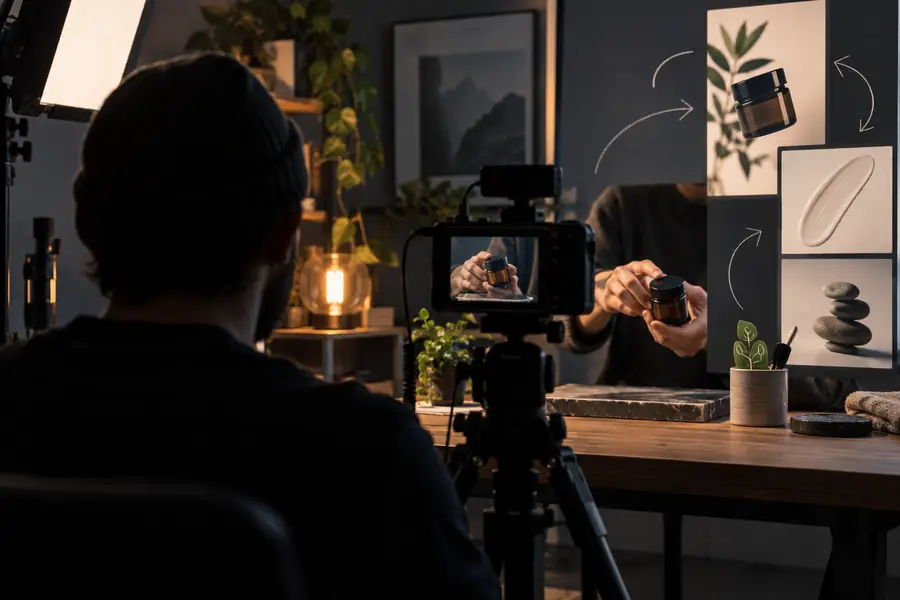
You want an atmospheric opening or detail shot to make a familiar review structure feel more distinctive.

Use a controlled prompt for mood and camera direction, while keeping factual product claims in your own footage and script.

higgsfield ai motion control

Short-form educator

You need several quick visual beats for a vertical-friendly lesson, list, or narrated comparison.

Create one visual idea at a time and edit the strongest moments into a concise sequence with readable pacing.

how to use higgsfield ai for free

Faceless channel team

You are testing a new channel concept before investing in presenters, locations, or a large asset library.

Prototype the visual identity and opening rhythm, then use audience feedback to decide what deserves a larger production.

higgsfield ai online app

scenario FAQ

These questions focus on the YouTube-example scenario: what to make, how to structure it, and how to judge whether a generated clip belongs in a real upload.

They can support opening hooks, visual metaphors, transitions, mood-setting cutaways, product atmospheres, and short concept tests. They work best when the generated shot has a defined editorial job inside a script or edit.

They can help plan the visual direction and individual shots, but they are not a substitute for a full production plan. You still need a topic, audience promise, script or outline, edit structure, sound plan, and final review.

Describe one subject, one action, one setting, and one camera intention first. Add the intended mood, pacing, lighting, and any safe space for titles only after the core shot is clear.

Check whether the shot communicates the intended idea within the first few seconds, matches the channel’s tone, and can cut cleanly with the surrounding footage. Also review continuity, distracting artifacts, readable composition, and whether the clip makes a claim that needs factual verification.

Start creating
Start creating